With summer in full swing, it is prudent to revisit Florida’s attractive nuisance laws. These laws impose a special duty of care on property owners when it comes to protecting children from dangerous conditions on their property. A property owner may be held liable for injuries to children—even trespassing ones—if the injury results from a hazardous condition that is likely to attract children. In the context of personal injury law, understanding how this rule operates is essential for both property owners and the families of injured minors.
What Is an Attractive Nuisance?
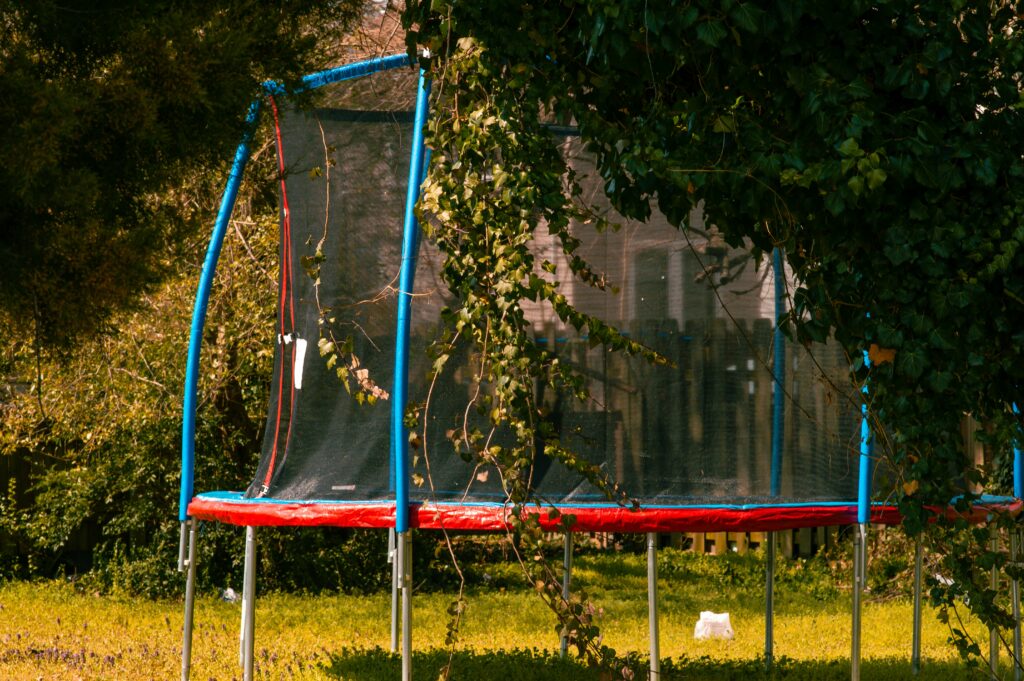
An “attractive nuisance” is a condition on a property that is both dangerous and enticing to children. Common examples include swimming pools, abandoned vehicles and appliances, construction equipment, trampolines and open pits or wells.
While these objects may appear harmless to adults, they can be highly dangerous to young children who do not fully understand the risks.
Florida’s Application of the Attractive Nuisance Doctrine
Florida follows the Restatement (Second) of Torts § 339, which outlines the conditions under which a landowner can be held liable for injuries to children caused by an artificial condition on their property. To establish liability under Florida’s attractive nuisance doctrine, five elements generally must be proven:
- The property owner knows or should know that children are likely to trespass in the area of the dangerous condition.
- The condition poses an unreasonable risk of death or serious bodily harm to children.
- Children, because of their age, do not realize the risk involved with the condition.
- The burden of eliminating the danger is slight compared to the risk to children.
- The property owner fails to take reasonable steps to eliminate the danger or protect children from it.
All five elements must typically be satisfied for the doctrine to apply.
Legal Implications for Property Owners
Normally, a property owner owes very limited duties to trespassers. However, the attractive nuisance doctrine creates an exception for child trespassers. Florida courts recognize that young children lack the maturity to recognize danger or make rational decisions about safety. Therefore, if a dangerous feature on a property is likely to draw children, the owner has an affirmative obligation to secure it.
Failure to do so can result in liability if a child is injured or killed due to the hazard. For instance, if a homeowner leaves a swimming pool unfenced and an unsupervised child drowns after trespassing onto the property, the homeowner may be held legally responsible.
Defenses and Limitations
There are defenses to attractive nuisance claims in Florida. These may include:
Age and capacity of the child: If the child is old enough to understand the danger and chose to engage with it anyway, the doctrine may not apply.
Parental negligence: The property owner may argue that the parents failed to supervise the child adequately.
Natural conditions: Florida law typically does not apply the attractive nuisance doctrine to natural features like lakes.
No knowledge of child trespassing: If the landowner had no reason to believe children would access the property, liability may not attach.
Personal Injury Claims Involving an Attractive Nuisance
In a personal injury lawsuit involving an attractive nuisance, the injured party (often the child’s guardian) must prove the five elements of the doctrine as well as damages. These damages may include medical expenses, pain and suffering, permanent disability or disfigurement, emotional distress and wrongful death in fatal cases
Florida applies comparative negligence, so if the child was partially responsible, damages may be reduced proportionally.
Probinsky & Cole Can Help
Florida’s attractive nuisance doctrine plays a crucial role in child safety and personal injury litigation. For parents of injured children, understanding this doctrine can be key to pursuing rightful compensation. Consulting with an experienced personal injury attorney from Probinsky & Cole can help determine whether a viable claim exists under Florida law.