When someone is injured on a rented property, the question quickly becomes: who is responsible—the tenant or the landlord? The answer depends on a range of factors, including the nature of the accident, the lease agreement, and Florida’s premises liability law. Here’s what tenants and landlords need to know when it comes to personal injury liability – and what responsibilities fall to each.
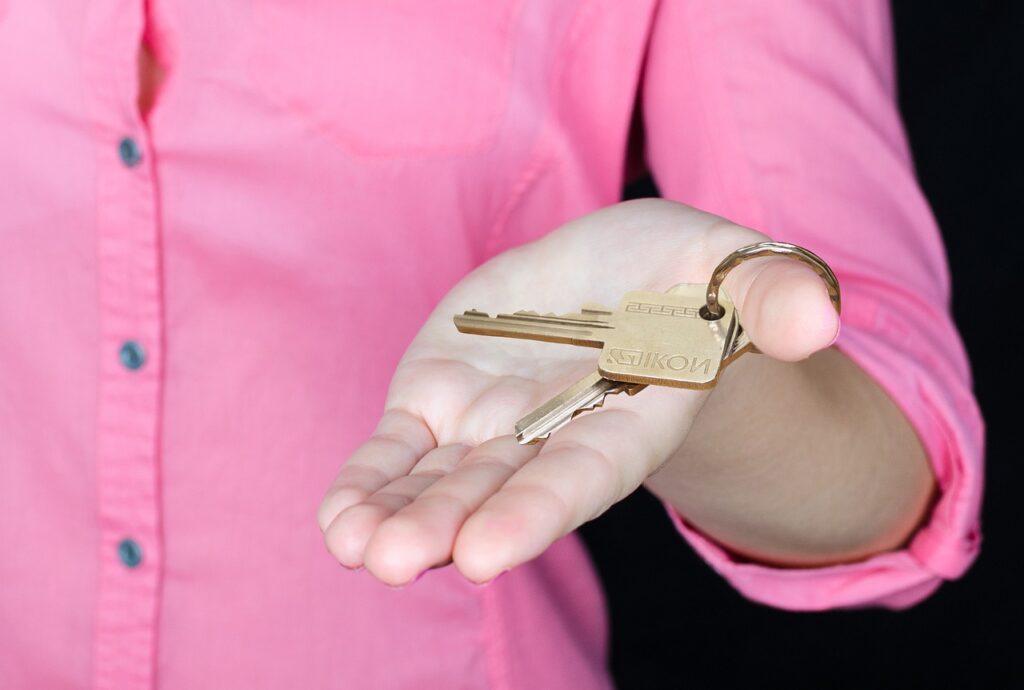
Landlord Responsibilities Under Florida Law
According to Florida law, landlords are typically responsible for maintaining common areas and ensuring that rental properties are reasonably safe. This includes complying with local building codes, repairing hazardous conditions, and providing notice to tenants regarding any known hazards.
Some key landlord responsibilities include:
- Maintaining common areas (e.g., hallways, stairs, parking lots)
- Ensuring structural safety (roof integrity, handrails, walkways)
- Making timely repairs for known issues
- Warning of hidden dangers not obvious to tenants
If a landlord fails to meet these obligations and someone is injured as a result, they may be held liable for damages under the theory of premises liability.
For example, if a tenant slips and falls in a poorly lit stairwell where the lighting has been out for weeks—and the landlord was notified but failed to act—the landlord could be held responsible for the injuries.
Tenant Responsibilities
Tenants are also expected to maintain a safe living environment within their rented unit. This includes:
- Keeping the interior clean and free of hazards
- Notifying the landlord promptly of dangerous conditions
- Following safety guidelines outlined in the lease
- Preventing foreseeable injuries to guests inside their unit
If a visitor is injured inside a tenant’s apartment because of clutter, spilled liquids, or unsafe furniture, the tenant could be liable for that injury—not the landlord. In some cases, tenants may also be responsible for maintaining certain parts of the property if agreed upon in the lease (such as a private backyard or patio).
Shared Liability: When Both May Be at Fault
There are situations where both the landlord and tenant share responsibility for an injury. For example:
- A loose handrail in a shared stairwell has been broken for months (landlord’s responsibility)
- A tenant installs a rug at the top of the stairs that slips easily (tenant’s responsibility)
If a guest falls and injures themselves because of a combination of these issues, both parties may share liability under comparative negligence, which Florida follows. In this system, each party is assigned a percentage of fault, which can impact the total compensation owed.
What To Do If You’re Injured on a Rental Property
If you’re injured on a rental property—whether you’re a tenant, guest, or even a contractor—here are a few steps to take:
- Document everything: Take photos of the hazardous condition and your injuries.
- Seek medical attention right away.
- Report the incident to the property owner or manager.
- Get witness statements, if available.
- Speak with an experienced personal injury attorney.
At Probinsky & Cole, we help injury victims determine who is legally responsible and fight to recover the compensation they deserve for medical bills, lost income, and pain and suffering.
Confused About Your Responsibilities? Contact Us for a Free Consultation
Understanding who is liable in a tenant-landlord personal injury case can be complex. Our Florida-based legal team has deep experience in navigating premises liability claims—and we’re ready to help you. If you or a loved one has been injured on a rental property, don’t wait. Call Probinsky & Cole today for a free consultation and let us help you get the justice you deserve.
Disclaimer: This blog post is intended for informational purposes only and does not constitute legal advice. Reading this post does not create an attorney-client relationship between you and Probinsky & Cole. Every personal injury case is unique, and the laws and responsibilities discussed may vary depending on specific facts and circumstances. If you have been injured or have questions about your legal rights, please consult with a qualified attorney for guidance.