When a defective product injures a person, they may have the right to file a product liability lawsuit — a type of personal injury claim that holds manufacturers, distributors, or retailers responsible for putting unsafe products into consumers’ hands. However, not every injury leads to a successful case. Understanding which cases are likely to succeed — and which are not — can help injured parties and their attorneys decide whether pursuing legal action is worth the effort and expense.
What Makes a Product Liability Case Strong?
To win a product liability case, a plaintiff typically needs to prove four key elements:
- The product was defective
- The defect existed when it left the manufacturer’s control
- The product was used as intended (or in a reasonably foreseeable way)
- The defect directly caused injury or harm
Let’s look at some scenarios where product liability claims are more likely to be successful:
- Defective Design: These cases involve products that are inherently dangerous due to poor design — even if manufactured correctly. Examples may be cars that roll over easily during turns, or a child’s toy with small detachable parts. Design defect cases are often strong if there is evidence that a safer alternative design was available and feasible, and that the manufacturer chose not to implement it.
- Manufacturing Defects: Manufacturing defects occur when a product is designed correctly – but something goes wrong during the production process. Examples may include a batch of medication contaminated with chemicals or a pressure cooker that explodes due to a missing safety valve. These are typically the most straightforward product liability cases, as they often involve a clear error during manufacturing that led to injury.
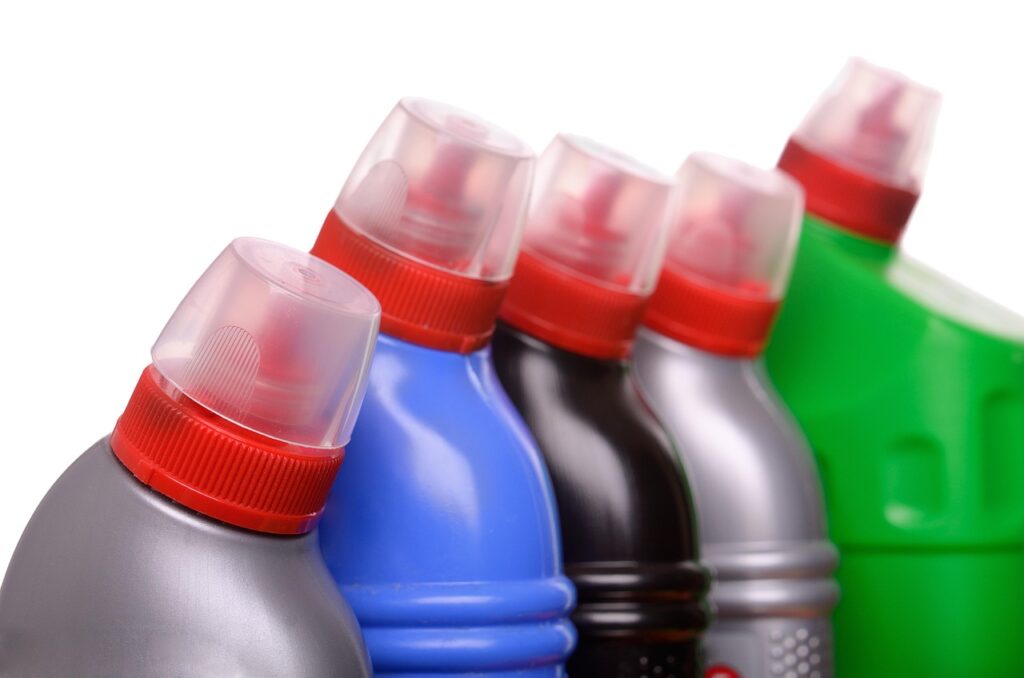
- Failure to Warn (Marketing Defects): Manufacturers have a duty to warn users about potential risks associated with their products, especially if the risks aren’t obvious. Examples include a cleaning product that can cause chemical burns or a prescription drug with dangerous side effects that are not on the label.
Failure-to-warn cases can be strong if it’s clear the company knew (or should have known) of the risk but failed to alert consumers.
When Product Liability Cases Are Less Likely to Succeed
Not every product injury presents an opportunity for a viable lawsuit.
Misuse of the Product: If a consumer is injured while using a product in a way that’s clearly not intended or foreseeable, the manufacturer is usually not liable. Examples may include using a power drill as a hammer, or standing on a rolling office chair to reach something. Manufacturers are not expected to protect consumers from all possible misuse, only reasonable and foreseeable ones.
Lack of Evidence: To succeed, the plaintiff must prove the product caused the injury. If the evidence is missing, tampered with, or unclear, the case becomes difficult. As an example, if the product was discarded after the injury, it cannot be examined. If an expert cannot be found to back up your claim, the case may not be viable. Without strong documentation, photos, witness accounts, or expert analysis, these cases often fail.
Assumption of Risk: In some cases, users know a product is dangerous and still choose to use it. Some examples may be ignoring clear warnings on packaging or removing safety guards from machinery. Courts may find that the injured person knowingly assumed the risk and dismiss the claim.
Successful product liability and personal injury cases typically involve a defective design, a manufacturing error, or a failure to warn — all backed by expert opinion and documentation. If you’re unsure about the strength of a potential claim, consulting an experienced personal injury attorney is the best first step. Call Probinsky & Cole today to discuss your situation and learn more.