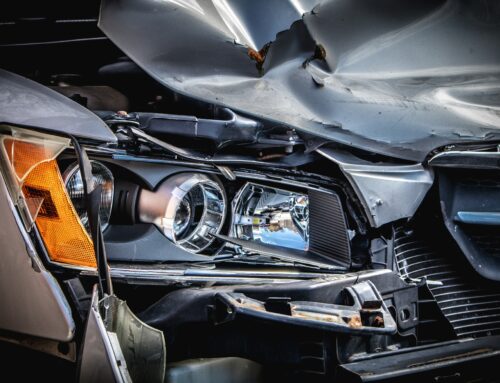
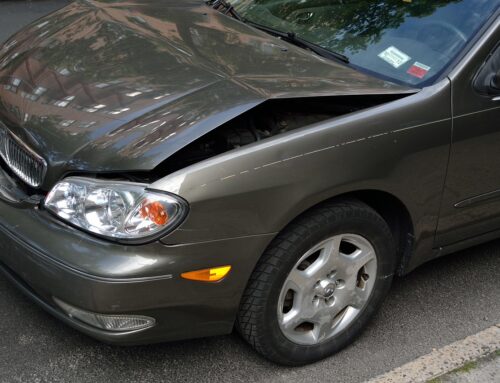
Automobile recalls are issued when a manufacturer or the National Highway Traffic Safety Administration (NHTSA) identifies a defect or non-compliance that could pose a safety risk. While recalls can cover a wide range of issues—from cosmetic defects to mechanical failures—some categories are directly tied to your safety on the road. This article will discuss the most common broad categories of automotive recalls that can impact vehicle safety.
Brake System Failures: The brake system is one of the most critical components in any vehicle. Recalls related to brakes often involve issues like brake fluid leaks, brake pad or rotor defects, electronic brake control malfunctions, and anti-lock braking system (ABS) failures. Any defect that compromises a vehicle’s ability to slow down or stop properly poses a serious safety risk – increasing the chances of collisions.
Airbag Malfunctions: Airbags are designed to protect you in a crash, but when they fail, they can do more harm than good. Airbag-related recalls are widespread and typically involve airbags failing to deploy in a crash or deploying unexpectedly while driving. The Takata airbag recall, which affected millions of vehicles, is a prime example of the severity of airbag defects.
Seat Belt Failures: Seat belts are your first line of defense in a crash. Recalls in this category typically relate to defective locking mechanisms, belts that detach during impact, or retractors that don’t engage or retract correctly. A seat belt that fails to restrain a passenger can result in significantly more severe injuries during a crash.
Steering System Defects: Problems with the steering system can affect a driver’s ability to maintain control of the vehicle. Steering-related recalls often involve loss of power steering assist, steering column failure or separation and steering linkage or tie rod failures. These defects may lead to a complete loss of steering control, which is particularly dangerous at high speeds or in traffic.
Electrical System Malfunctions: Today’s vehicles are almost completely reliant on complex electrical systems. Recalls involving electrical systems can include faulty wiring that causes shorts or fires, malfunctioning sensors or control modules or battery defects that could lead to thermal events or shutdowns. Electrical problems can cause unexpected behavior, such as stalling, loss of lighting at night, or fires—any of which can endanger the driver and others on the road.
Fuel System Leaks or Failures: Defects in the fuel system can increase the risk of fires or explosions, making this one of the more dangerous recall categories. Common issues include fuel line leaks, cracked fuel tanks, faulty fuel pumps or gas vapor leaks. If fuel leaks in a high-temperature environment or during a crash, the risk of fire increases significantly.
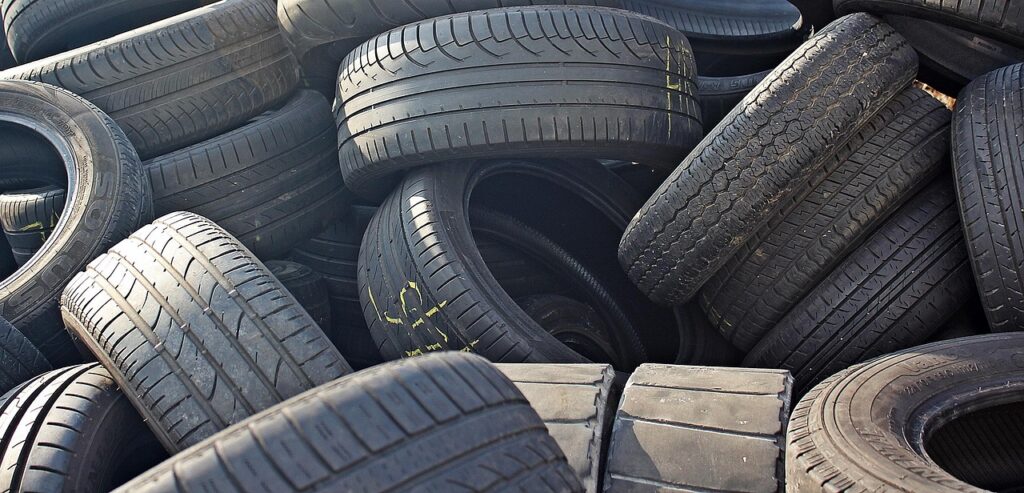
Tire Defects: Tires are the only part of your vehicle in contact with the road, and defects here can have immediate and catastrophic results. Tire-related recalls may cover tread separation, improperly manufactured sidewalls, poor adhesion between tire components or degradation. Any of these issues can lead to blowouts, especially at high speeds.
Transmission and Drivetrain Issues: Transmission or drivetrain failures can result in a sudden loss of propulsion, unintended acceleration or deceleration or the vehicle rolling unexpectedly when parked.
For ongoing peace of mind, you can check your vehicle’s recall status anytime by entering the VIN at nhtsa.gov/recalls.
What are Your Legal Options When It Comes to Recalls?
While not all recalls are life-threatening, those involving core safety systems must be taken seriously. Automakers are required to fix safety-related recalls at no cost to you, so if you receive a recall notice, don’t delay.
If someone is injured due to a manufacturing defect, they may have legal recourse through a product liability claim against the automaker or other responsible parties. However, if the manufacturer had issued a recall and the person ignored it, their ability to recover damages may be reduced under contributory negligence statutes.
If you’ve been injured in an auto accident and you suspect a manufacturing defect – call Probinsky & Cole today. Our team of legal professionals is ready to help.
Disclaimer: The information provided above is for general informational purposes only and does not constitute legal advice. Laws regarding product liability and negligence vary by state and individual circumstances. If you have been injured due to a vehicle defect or have questions about your legal rights, call us to discuss your specific situation.