Florida’s thriving rental market is as diverse as its population, ranging from beachside Airbnbs and suburban homes to sprawling apartment complexes housing thousands of residents. While every landlord has a duty to maintain safe living conditions, the legal responsibilities of owners and operators of large apartment communities—especially those with frequent tenant turnover—are often far more complex and regulated than those of single-family rental owners.
When it comes to personal injury law, these differences matter. When a tenant or visitor is injured due to unsafe conditions, it’s crucial to understand the heightened legal expectations placed on large-scale property owners and where liability may fall.
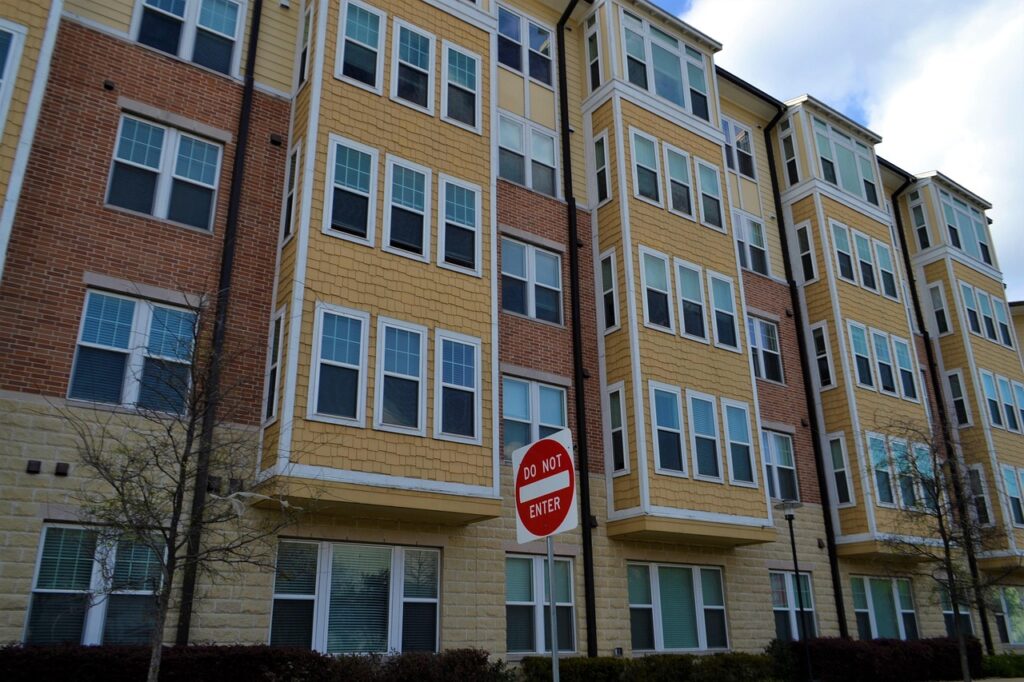
Key Differences Between Apartment Complex and Single-Family Rental Ownership
Owners of single-family rentals typically manage just one unit or property. Their duties usually focus on basic maintenance, repairs, and ensuring the home is habitable under Florida law (per Fla. Stat. § 83.51). However, owners of large apartment complexes face layered responsibilities due to the scale, frequency of tenant interaction, volume of common areas, and business-like nature of their operations.
In legal terms, these owners may be viewed more as commercial operators – and that designation carries weight.
- Duty to Maintain Common Areas: Perhaps the most significant legal obligation for apartment complex owners is the duty to maintain all shared spaces in a reasonably safe condition. This includes:
- Hallways, stairwells, elevators
- Laundry rooms, gyms, pools, clubhouses
- Sidewalks, parking lots, and outdoor lighting
- Lobbies and leasing offices
Failure to maintain these areas can easily lead to premises liability claims if someone slips, trips, is assaulted, or otherwise injured.
- Security and Crime Prevention: Florida courts have recognized that landlords may be held liable for third-party criminal acts when:
- There is a foreseeable risk based on past incidents
- The property lacks reasonable security measures (such as working locks, adequate lighting, or security patrols.)
Apartment complex owners with hundreds of tenants and frequent move-ins and move-outs must take proactive steps to screen access points, monitor activity, and maintain the premises’ security. Failing to do so could result in lawsuits for negligent security—especially if a resident or guest becomes the victim of assault or robbery.
- Ongoing Inspections and Turnover Procedures: With constant tenant turnover, large complexes have a legal and ethical obligation to inspect and repair units between occupancies. This includes replacing broken locks, checking smoke detectors and fire alarms, repairing known safety hazards and documenting the condition of the unit. Skipping or rushing these steps to maximize occupancy rates can lead to serious injuries and lawsuits, particularly if a tenant is harmed by a known hazard that was ignored during turnover.
- Compliance with Building Codes and ADA Requirements: Apartment owners must ensure their buildings are up to date with Florida building codes, including accessibility under the Americans with Disabilities Act (ADA). Unlike most single-family homes, apartment complexes with public leasing offices or common facilities must meet ADA requirements.
- Documentation and Recordkeeping: Due to the volume of tenants and liability exposure, large apartment owners must keep thorough maintenance logs, incident reports, and lease documentation. In any injury claim, these records can determine whether proper protocols were followed—or ignored.
Operating a large apartment complex is a legally complex business that demands consistent attention to safety, maintenance, and security. Unlike single-family rentals, these properties create multiple layers of responsibility that, if mismanaged, expose owners to significant personal injury and premises liability lawsuits.
If you or a loved one has been injured in a Florida apartment complex due to unsafe conditions or negligence, you may be entitled to compensation.
Contact Probinsky & Cole today for a free consultation and to discuss your options.
Disclaimer: This article is for informational purposes only and does not constitute legal advice. For advice specific to your situation, please consult a licensed attorney. Reading this article does not create an attorney-client relationship.