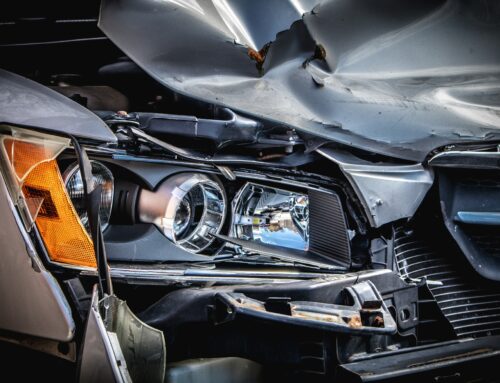
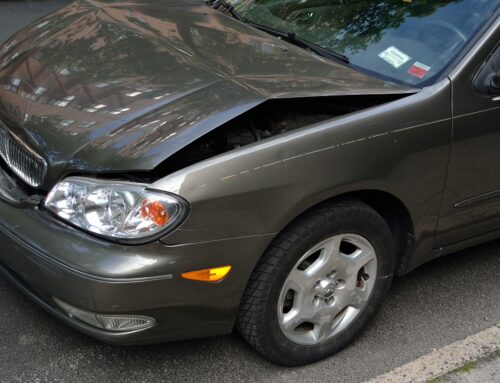
Rear-end accidents— often called “fender benders”— are among the most common types of car crashes in Florida. While many people assume the driver who hits from behind is always at fault, the legal reality is more nuanced. Florida law considers several factors when determining who is legally responsible, and fault is not always automatic. Understanding how fault is determined can make a significant difference when filing an insurance claim or personal injury case.

The General Rule: The Rear Driver Is Presumed at Fault
In most rear-end collisions, Florida law starts with a presumption of fault against the rear driver. This is based on the expectation that drivers must maintain a safe following distance and be able to stop safely if traffic slows or stops. Common examples where the rear driver is typically at fault include:
- Following too closely
- Distracted driving (texting, eating, adjusting GPS)
- Speeding or aggressive driving
- Failing to brake in time
In straightforward cases, the rear driver’s insurance is usually responsible for damages and injuries. However, this presumption can be challenged depending on the circumstances.
Sudden or Unexpected Stops
One situation that can shift fault is when the front driver makes a sudden, unnecessary, or reckless stop. While drivers are allowed to stop for legitimate reasons—such as traffic, pedestrians, or emergencies—slamming on the brakes without cause can create a dangerous situation. Examples include:
- Stopping abruptly to avoid missing a turn
- Brake-checking another driver
- Stopping in moving traffic without a clear reason
If evidence shows the lead driver acted negligently, fault may be shared or even placed primarily on the front vehicle.
Multi-Vehicle Rear-End Accidents
Chain-reaction crashes are common in heavy Florida traffic. In these cases, fault is often divided among multiple drivers. Florida follows a comparative negligence system, meaning fault can be apportioned among parties based on each party’s percentage of responsibility. Compensation is adjusted accordingly. Situations where discretion is allowed may include:
- If one driver causes a collision that pushes another car into a third vehicle, the initial driver may bear primary responsibility.
- If multiple drivers were following too closely, each may share fault.
Mechanical Failures and Vehicle Issues: Mechanical problems can also affect fault determination. If the front driver’s brake lights were not functioning properly, the rear driver may not have had adequate warning to stop. Similarly, if a vehicle suddenly stalls or has a tire blowout without warning, fault may be less clear-cut. These cases often require expert analysis and investigation. In some cases, responsibility could extend to:
- Vehicle owners who failed to maintain their cars
- Manufacturers, if a defective part caused the crash
Unsafe Lane Changes or Cut-Offs: Another common scenario involves a driver who cuts off another vehicle and then stops suddenly. If a driver merges into a lane without sufficient space and is rear-ended shortly afterward, they may be partially or fully responsible. Florida law requires drivers to ensure lane changes can be made safely. If a rear-end collision occurs immediately after an unsafe merge, fault may shift away from the rear driver.
Florida’s No-Fault Insurance System
Florida is a no-fault state, meaning drivers typically turn to their own Personal Injury Protection (PIP) coverage first for medical expenses, regardless of who caused the accident. However, fault becomes critical when:
- Injuries exceed PIP limits
- Serious injuries are involved
- A lawsuit is necessary to recover full compensation
At that point, determining who was legally at fault—and to what degree—becomes essential.
Fault Matters, Even in Minor Rear-End Accidents
Even in a “minor” rear-end accident, injuries can be serious and long-lasting. Insurance companies often try to simplify fault to minimize payouts, but real-world accidents are rarely that simple. An experienced personal injury attorney can investigate the crash, review police reports, analyze evidence, and challenge incorrect assumptions about fault.
Probinsky & Cole Represent Florida Drivers
While the rear driver is often presumed at fault in Florida rear-end accidents, that presumption is not absolute. If you’ve been involved in a rear-end accident, understanding your rights—and how fault is determined—can make a significant difference in protecting your health and financial future.
Call Probinsky & Cole to learn more about your rights after a Florida car accident.